The check-out to check-in window is always too short
Long corridors, lobbies and common areas have to be ready again while housekeeping is already under pressure in the rooms.
The problem is rarely the team's willingness. It is usually the amount of repetitive movement built into the operation.
Long corridors, lobbies and common areas have to be ready again while housekeeping is already under pressure in the rooms.
Three calls, one person on duty and several internal routes competing with guest attention.
Laundry, supplies, amenities and heavy carts move between floors every day and create unnecessary physical strain.
A device that looks industrial or domestic can damage the impression of a 4- or 5-star property.
It is not a staffing problem alone. It is an operational design problem that can be solved.
These are the most common robotic solutions for hotels and accommodation.
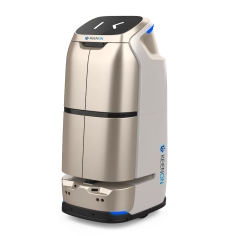
For orders, amenities, documents and guest-facing deliveries between reception, kitchen, office and rooms.
90 L capacity and multi-compartment delivery for private multi-point routes.
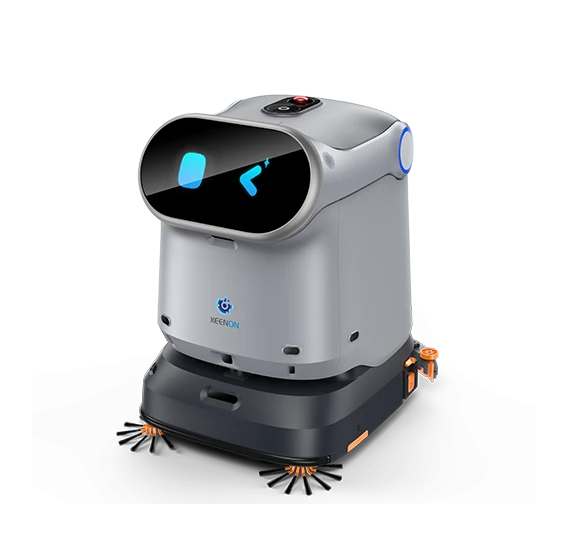
View moreFor lobbies, corridors, breakfast areas, meeting zones and high-traffic hotel surfaces.
Sweep, scrub, vacuum and mop modes help keep shared areas ready between service peaks.
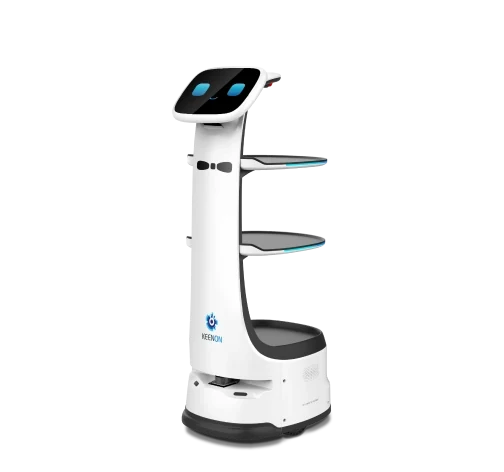
View moreFor breakfast rooms, dense dining areas, banquets and hotel restaurants with repeated tray movement.
Its compact design is intended for passages from 55 cm in narrow hospitality environments.
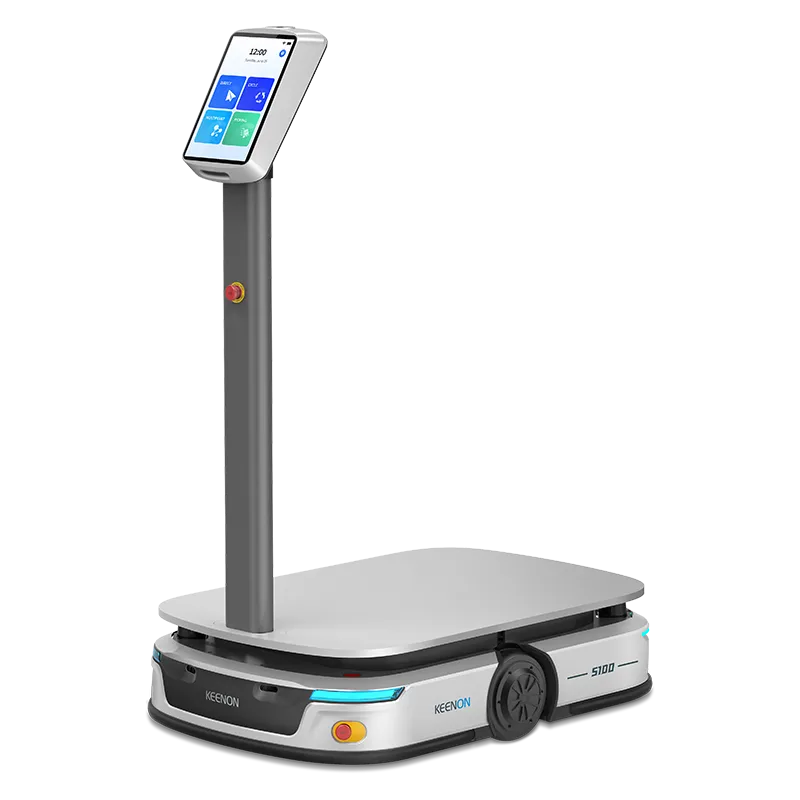
View moreFor laundry, supplies, stock, amenities and recurring movement between storage, floors and service areas.
Useful when the priority is reducing manual hauling across predictable indoor routes.
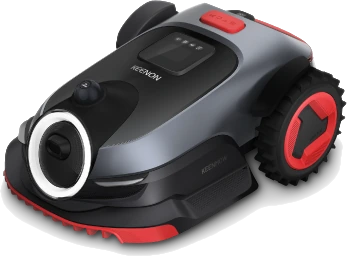
View moreFor hotels with gardens, outdoor areas, estates, sports spaces or golf-related maintenance.
A relevant option when exterior maintenance is part of the guest experience.
View moreA hotel does not need technology for its own sake. It needs quiet, well-presented, predictable help that keeps service moving while guests continue to see a controlled environment.
We begin with routes, timings, service rules and guest-facing moments before recommending one or several robots.
W3, C40, T8, S100 and K1 each solve a different hotel job, so the proposal avoids forcing one robot into every area.
The rollout is planned around active operation: charging points, staff routines, safe zones and escalation rules are defined before launch.
SomeBots accompanies the diagnosis, configuration, launch and support phase in Spain and Portugal.
We prepare an initial diagnosis in less than 48 hours. No forced commercial visit, no commitment and no generic catalogue: only your operation, your routes and the tasks that make sense to automate.
We only need to understand your operation. You decide if we continue.